Step Off the Pile-On: Capability vs. Capacity in Movement and Life
Rethinking Capacity and Capability
This entry was inspired by a recent chat I had with a fellow Pilates studio owner and mum on whatever a work/life balance is for the likes of us. Not long after connecting the themes of our chat, I came across a definition on Instagram from author and psychologist Suzy Reading:
“Your capability and your capacity are two different things. Capability is what you’re able to do without any constraints. Capacity is what you can agree to, given all the other demands of life right now.”
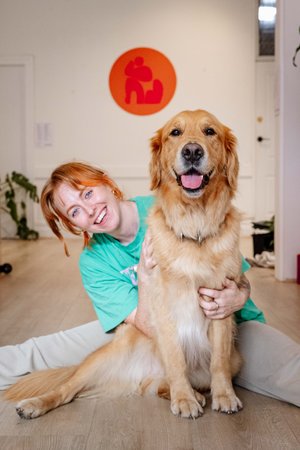
As a small business owner, I have the flexibility to design my life and chase my dreams all on my own terms. There is also an unrelenting sense of responsibility to the people and work I’m so passionate about. It’s both a privilege and a lot to take on. Rosy is part of my growing family’s livelihood, and it supports the livelihoods of my teachers. There’s always more to do than hours to do it in, which can make switching off very difficult and personal boundaries ever so important.
I know I’m very capable of running a business and being a parent, like so many other incredible people do. But what I’m currently adjusting to is the change in the capacity I have and the relationship I have with it. What I was able to do and ‘get done’ before Scottie just isn’t possible right now. So I am literally in the midst of recalibrating this next phase of Rosy as its founder. There has been, and still is, quite a bit of grief and doubt I’m working through, mixed in with an abundance of joy and gratefulness at how Rosy is still running without me teaching on the shop floor.
Big shout-out to Susan, Leia, and Amelia for making this transition possible so far!
Navigating the Energy Balance
What we can do, and what we have the capacity to do, also shows up in how we move and choose to exercise.
What our bodies are capable of looks different for everyone. It changes day to day and takes many forms—dancing in the kitchen, a structured workout, a walk around the block, breath practice, gentle stretching, or mobilising joints. Depending on our health, ability, or circumstances, whether we have the capacity for extra physical activity in amongst all our other commitments and responsibilities is another thing. And for some of us, that just isn’t available or isn’t what is helpful right now.
Moving our bodies can be an incredible tool to support our health, create possibility, and connect us to ourselves and others. But it also takes energy—energy from the same stores we need to power our everyday. Organised exercise and everyday physical activity is also a stress on our bodies. One of the ways pain, injury, and setbacks can happen is by doing more than our current physical capacity can manage.
We also don’t have unlimited stores of energy. When other parts of life are already pulling heavily on us, hard, relentless sessions can tip the balance from nourishing to depleting. And equally, for those who are able, meeting the edges of our physical capacity through movement can, over time, bring more energy and strength to our everyday lives, helping us meet the demands of our days with a little more ease.
I’m 11 weeks postpartum and getting stronger every week. I’ve been doing a postnatal home gym program, building up to three 30-minute sessions a week along with daily walks. But the other day I pushed it too much. I completed an exercise session in the morning, walked to and from parents group, then walked Bear after dinner—all on top of house chores and carrying Scottie around. Each of these things is well within my capability, but together, they went way past my capacity. Tipping me over from nourished to absolutely zonked, my pelvic floor felt heavy and my energy was cooked. I had to ask my partner for extra help to give my body a chance to recover.
Finding Your Pace at ROSY
Which is why, at Rosy Movement, we help our members to learn how to work with this dance between capability and capacity.
Because of how Rosy is structured, we know our members well, so when we offer a new exercise or a different way to try something, it’s never arbitrary. But it is always an option and never an expectation. We know they’re entirely capable of what we suggest, but whether they have the capacity for it today is completely theirs to judge. Which is why we absolutely love it when our members exercise their right to say no.
If they’re not sure how they feel, we encourage them to give our suggestions a shot, but always welcome healthy scepticism if it’s not feeling right. A “no” or “I’m not feeling this today” is never a dead end—it opens up a curious back-and-forth where we really get to know our members' version of this dance, enhancing their ongoing programming.
It can be hard to say “no” when so much in our world says “more”. Fitness culture can often be just another demand, another voice telling us that we should be doing more, going harder, pushing longer—favouring capability over capacity. Rosy is intentionally designed to be a movement space where you get to check in with yourself, tweak your pace and your expectations of yourself, and recalibrate your boundaries. Training with us really does meet you where you are, instead of adding to the pile-on.
This doesn’t mean we don’t care about making physical progress. Understanding the difference between your capability and your capacity helps you build strength gradually, without doing too much too soon. It helps you develop an exercise practice you can sustain, giving you the confidence that what you’re doing is enough.
Every membership at every Pilates studio on every corner offers consistency, but a membership at ROSY will also help you develop the skill of personal agency—figuring out what you’re capable of and what you have the capacity for on any given day, and learning to trust yourself with that call.